imagem banner interno

About Banco do Nordeste

Banco do Nordeste is the largest regional development bank in Latin America, committed to promoting the well-being of families and the competitiveness of businesses in the region. To stay abreast of the region’s needs and potential, it relies on experts from the Technical Office for Economic Studies of the Northeast (ETENE).
Area of Practice 
2.074 municipalities
Agencies
297 Agencies
Active Clients 
6,0 millions
Crediamigo e Agroamigo
897 agencies

Constitutional Fund for the Financing of the Northeast (FNE)

The main financial instrument of the National Regional Development Policy (PNDR) for the region and one of the pillars of the Northeast Regional Development Plan (PRDNE).
  • $33.15 billion invested from July 2023 to 2026 (USD/BRL = 5.14);
  • Over 5.5 million transactions during the period;
  • 62,4 milions of habitants;
  • 11 states;
  • 9 captials + 30 metropolitan areas.
Objective
Economic and social development and the reduction of regional inequalities.

Priorities
  • Allocate at least 50% of constitutional revenue to the Semi-Arid Region;
  • Provide preferential treatment to small producers and small businesses;
  • Support productive activities aligned with regional development plans;
  • Conservation and preservation of the environment.
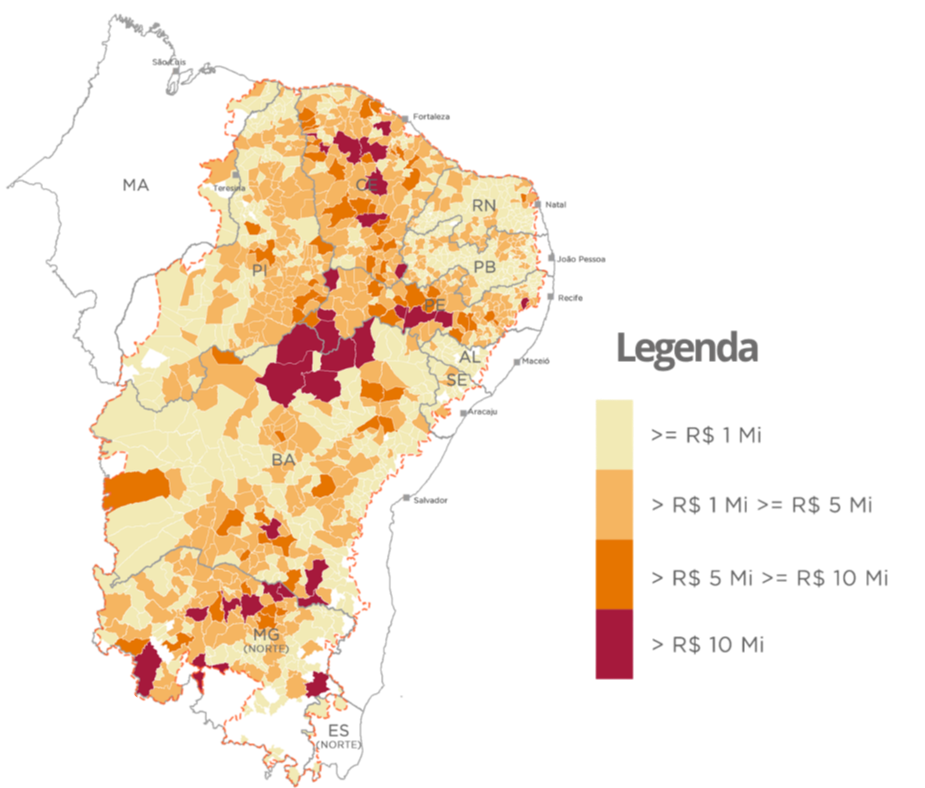
Caatinga: Diversity, Sustainability and Investment in this exclusively Brazilian Biome

Banco do Nordeste promotes Family Farming and sustainable Agriculture businesses in the Caatinga.

Semi-arid
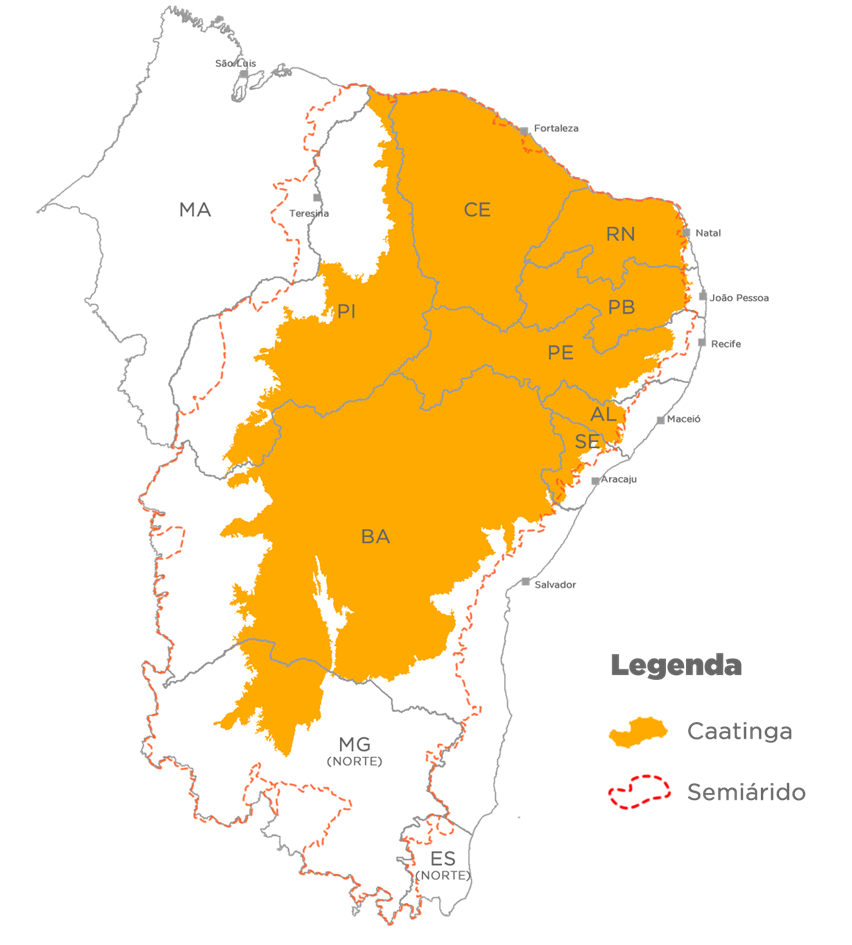
Areas with an average annual precipitation of less than 800 mm and a drought risk greater than 60% are considered semi-arid.
Total area 1.335.287 km² (73% percentage of area).
1.477 municipalities (32,4 millions of residents).
Responsive Image

Caatinga

The only biome unique to Brazil, covering about 11% of the country’s territory.
 
  • PreLow and highly irregular precipitation; 
  • Severe and prolonged water scarcity (up to 9 months of drought);
  • Average annual temperatures (25°C to 32°C);
  • Mostly intermittent rivers, except for the perennial main channel of the São Francisco River;
  • High vulnerability to erosion;
  • Desertification: Active processes of land degradation in vulnerable areas.
Responsive Image

FNE - Sustainable Activities and Environmental Restoration

FNE programs for sustainability and environmental recovery:Pronaf Semiárido;
  • FNE Green Rural;
  • FNE Green ABC;
  • Pronaf Eco;
  • FNE Green Irrigation;
  • Pronaf Forestry;
  • Pronaf Agroecology.
$727.69 million dollars applied during the period (104,3 mil operations)(USD/BRL = 5.14).

Initiatives Focused on Environmental Recovery - Caatinga

Atualizado em: 21/08/2026

Goal: To help leverage investments in ecological restoration in the Caatinga biome, thereby yielding benefits related to biodiversity conservation, water resource availability, erosion reduction, microclimate improvement, carbon dioxide removal from the atmosphere, and the creation of jobs and income.

  • Non-reimbursable funds totaling R$ 26,000,000.00;
  • 11 (eleven) projects selected;
  • Restoration of 1,632 hectares.

Note: The approved projects are currently in the implementation phase.

Goal: To promote initiatives aimed at the socio-environmental development of the Caatinga biome, with a view to its recovery, preservation, and sustainable use, including actions to restore the biome, prevent deforestation, desertification, and biodiversity loss, and seeking to balance environmental conservation with the creation of jobs and income.

  • Non-reimbursable funds totaling R$ 15,000,000.00;
  • 7 (seven) selected projects;
  • Restoration of 371 hectares.

Note: The selected projects are currently undergoing technical review for the formalization of agreements
 

Goal: Socio-productive restoration of degraded lands in the Caatinga, using native species of this biome combined with non-invasive species from the local agrobiodiversity, in alignment with regional socioeconomic potential, prioritizing the active participation of local communities, with the aim of mitigating the effects of climate change, combating desertification, and enhancing the resilience of the peoples of the Caatinga.

  • Non-reimbursable funds totaling R$ 100,000,000.00 (announced at COP30), of which R$ 60,000,000.00 is allocated to this initiative and an additional R$ 40,000,000.00 will be allocated in the coming years.
  • 44 projects submitted, requiring funding in the amount of R$ 159.0 million for the restoration of 3,721 hectares.

Note: Selection phase for projects to be funded is underway.

Featured Stocks

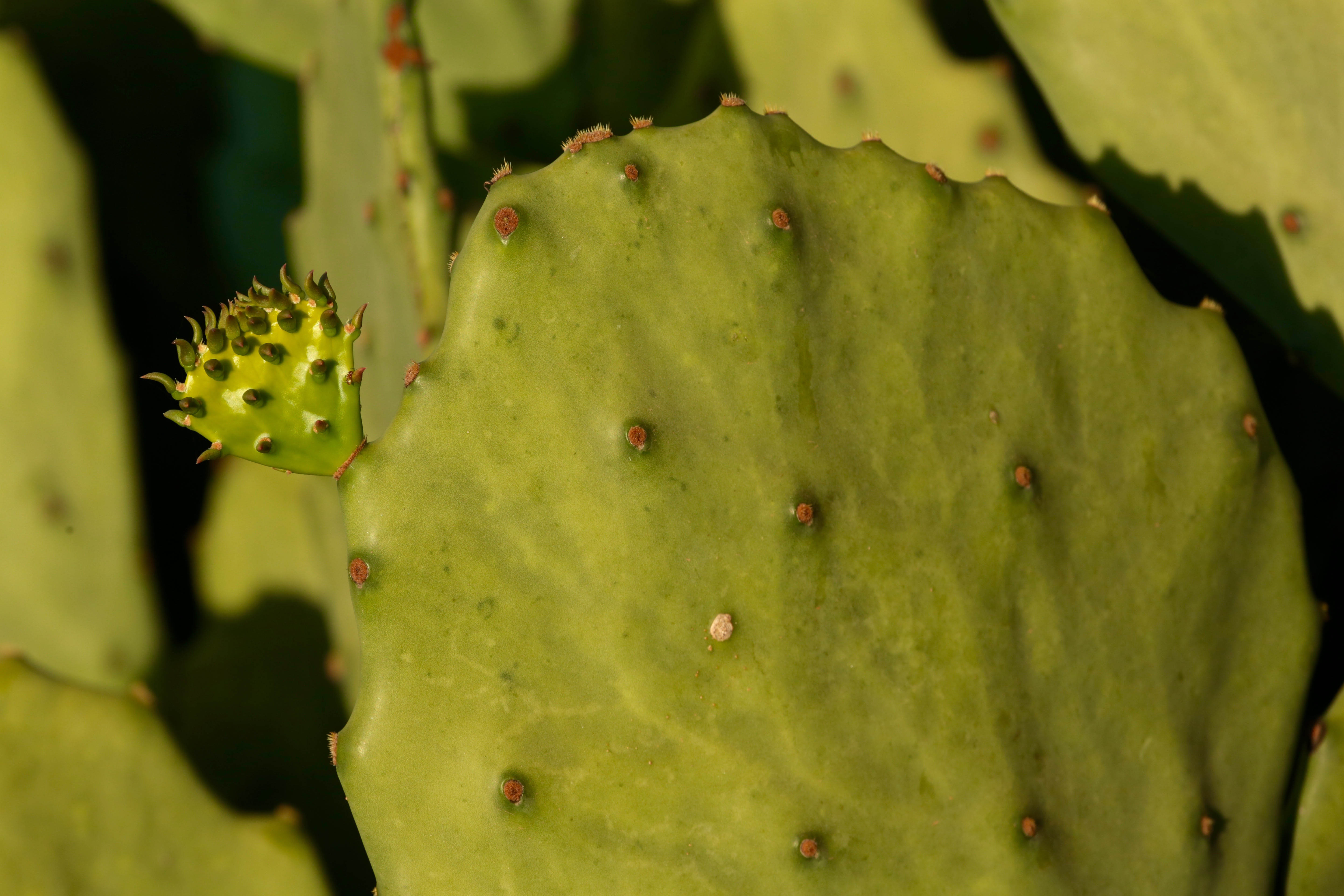
Restoration and Sustainable Use of the Caatinga
Responsive Image
In 2025, BNB allocated millions of reais to the restoration of the Caatinga through two calls for proposals: the Sustainability Fund and Floresta Viva/Caatinga Viva, supporting various projects in strategic areas of the biome.

Agroamigo Banco do Nordeste

Responsive Image
Agroamigo has already carried out several rural credit initiatives. In 2025, its investments focused on sustainable strategies such as Agroamigo Water, Sun, and Agroecology, promoting productive inclusion.

Support for the Circular Economy – Waste

Responsive Image
BNB has been investing in sanitation and waste management—including recycling—since 2021. In 2025, it issued a call for proposals to encourage recycling and strengthened cooperatives through credit programs, training, and productive inclusion initiatives.

Low-Carbon Agriculture and Livestock

Responsive Image
BNB finances low-carbon agriculture projects through FNE Verde, supporting forestry systems, soil conservation, and pasture restoration, with special terms and the lowest fees in the rural sector.

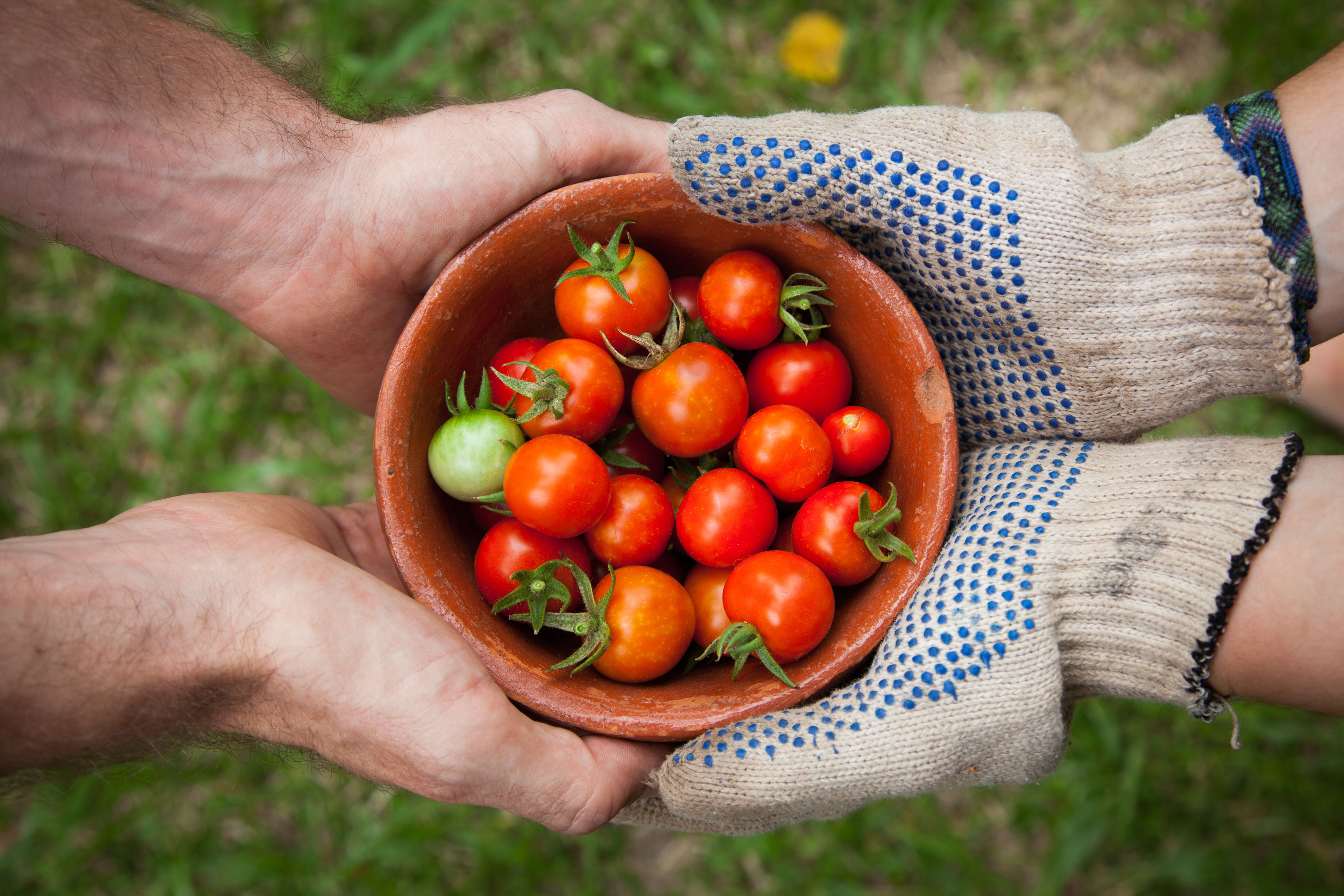
Territorial Development Program - Prodeter
Responsive Image
Banco do Nordeste’s Prodeter program strengthens regional productive activities through credit, local governance, and the integration of public policies.


Government Business

Responsive Image
BNB established the Government Business Division to expand credit to public entities and structure projects—such as financing for sustainable infrastructure—as well as to support open innovation and banking services.
 

Crediamigo Banco do Nordeste

Responsive Image
As the largest microcredit program in South America, Crediamigo promotes productive inclusion, strengthens small businesses, and creates jobs.
 

Positive Contribution Credit 

Responsive Image
Since 2022, BNB has been allocating resources to the Green Economy, specifically to renewable energy. The ESG strategy supports the transition to a low-carbon economy and eco-efficient, socially responsible practices.

Sustainability Strategy (ESG)

Responsive Image
BNB’s ESG strategy guides initiatives across 10 areas, including renewable energy, sustainable agriculture, and productive inclusion. Since 2022, these initiatives have been aligned with the SDGs and the Social, Environmental, and Climate Responsibility Policy.
 

Relations with Multilateral Organizations

Banco do Nordeste has expanded partnerships with multilateral organizations to finance projects that promote clean energy, innovation, and sustainable infrastructure. Cooperation with institutions such as the IDB, the World Bank, AFD, and CIF enables BNB to access international funds, complementing the FNE and strengthening initiatives involving companies and governments.
These initiatives enable new credit lines and expand the Bank's impact in strategic areas, such as industrial decarbonization and the energy transition. In doing so, BNB reaffirms its commitment to the region's sustainable development and to global climate goals.
Sustainable Infrastructure Financing Program

External partner: Agence Française de Développement (AFD).
Amount: €150 million.
Purpose: To finance projects in the field of energy, sanitation, waste management, and urban mobility, as a complementary source to the FNE. 
Target audience: Private and public companies. 
Current status: Underway. 

  • € 110 million received; 
  • € 136 million committed; 
  • € 98 million disbursed. 
Northeast Region Productive Development Program (Prodepro) 

External partner: Inter-American Development Bank (IDB). 
Amount: US$300 million. 
Purpose: Financing infrastructure to overcome bottlenecks in production chains; support for structuring PPPs and concessions. 
Target audience: State governments and state-owned enterprises. 
Current status: Underway. Contract signed. Structuring the initial operations.

Northeast Renewable Energy Integration Program (CIF-REI/NE)

External partner: IDB / Climate Investment Funds (CIF). 
Amount: US$ 33.5 million (IDB) + US$ 33.5 million (CIF). 
Purpose: The modernization of energy transmission, distribution, and energy storage. 
Target audience: Private sector companies. 
Current status: Operation approved by the Federal Senate. Contracting scheduled for the second half of 2026.

Industrial Decarbonization Financing Program (Prodecarb) 

External Partner: World Bank (IBRD) / CIF. 
Amount: US$500 million (IBRD) + US$30 million (CIF) 
Purpose: Financing the implementation of low-carbon fuel projects, low-carbon industrial technologies, and supporting infrastructure. 
Target audience: Private-sector companies (manufacturing and energy) and public-sector entities (supporting infrastructure). 
Current status: Contracting scheduled for the second half of 2026. Contracts negotiated; awaiting authorization from federal authorities for contracting and the federal guarantee.

Banco do Nordeste Sustainability Fund

Established on March 26, 2024, the Sustainability Fund consists of a portion of Banco do Nordeste’s annual profits and may accept contributions from sources outside the Bank. This Fund supports projects carried out by third parties, focused on activities that contribute to sustainability, the transition to a low-carbon economy, social development, and other activities of interest to the Bank and the region, consistent with its objectives.
Goals:
  • Prevention, monitoring, and combating of deforestation and desertification;
  • Restoration of degraded areas, including reforestation with native species and agroforestry systems;
  • Environmental education;
  • Environmental conservation, preservation, and restoration; protection and promotion of biodiversity and regional biomes;
  • Valorization and promotion of biodiversity-based products;
  • Projects aligned with the circular economy concept and the integration of local and regional supply chains, including those focused on the solidarity economy.

Fund for Economic, Scientific, Technological, and Innovation Development - Fundeci

Established on January 22, 1971, and with more than 55 years of existence, it allocates a portion of the bank’s annual profits to support research and studies in any field of science, in line with regional development; to innovate, adapt, and adjust industrial and rural production processes and techniques to the economic, social, and environmental characteristics of the Northeast region; and to promote the dissemination of technologies appropriate for regional development.
BNB Participants at COP17

COP17 Coverage

CONNECT WITH US

Follow
@bancodonordeste

And follow our coverage of COP17.